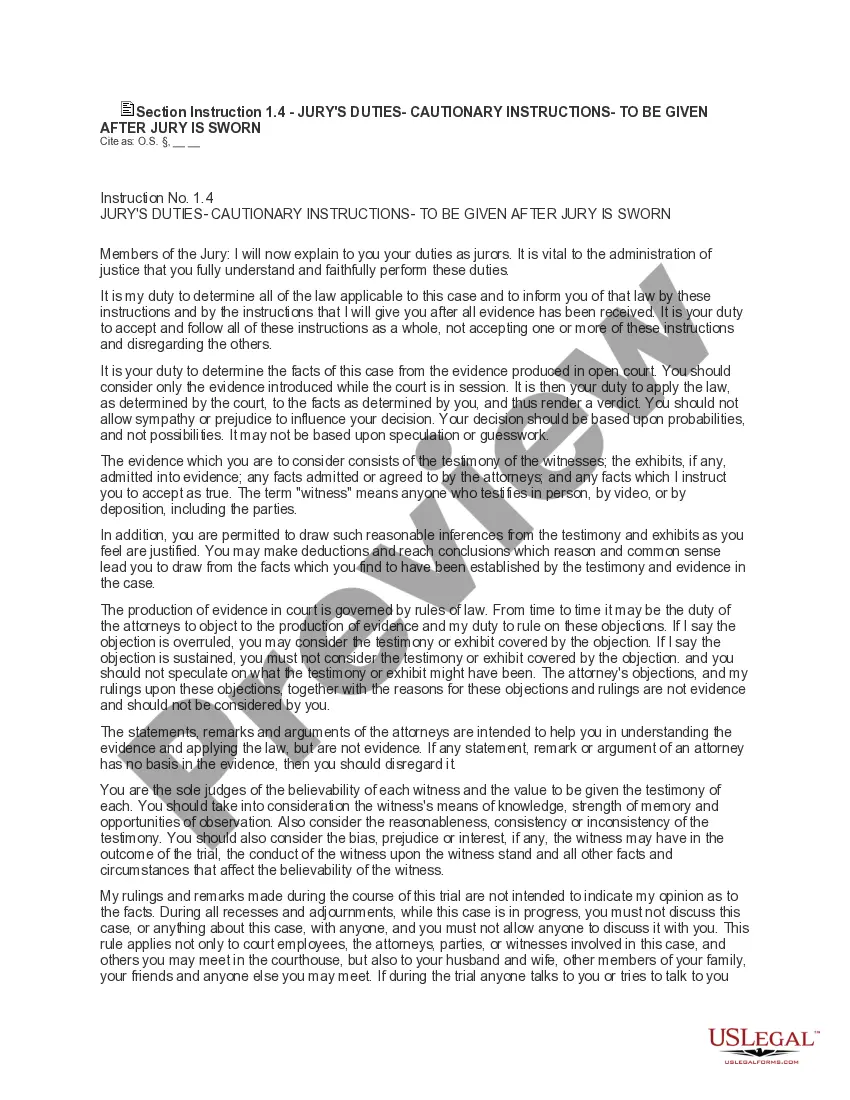
Gift Deed of Mineral Interest with No Warranty
Overview of this form
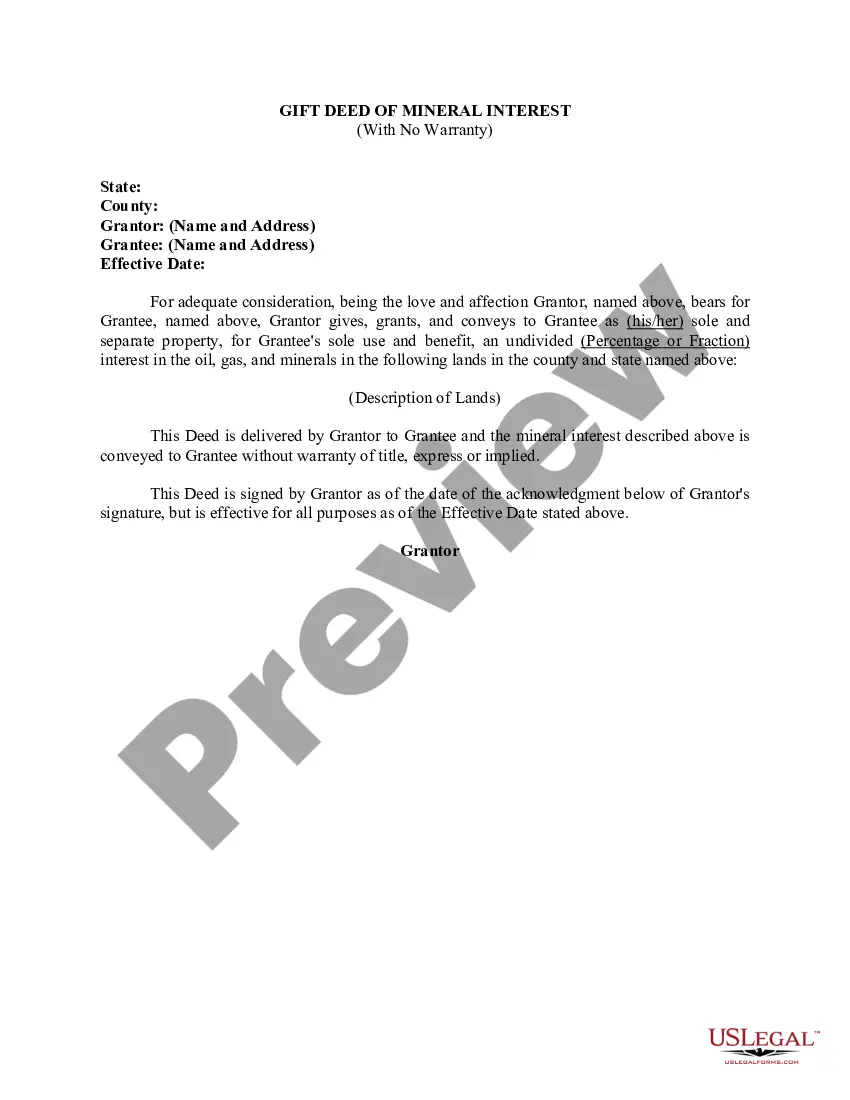
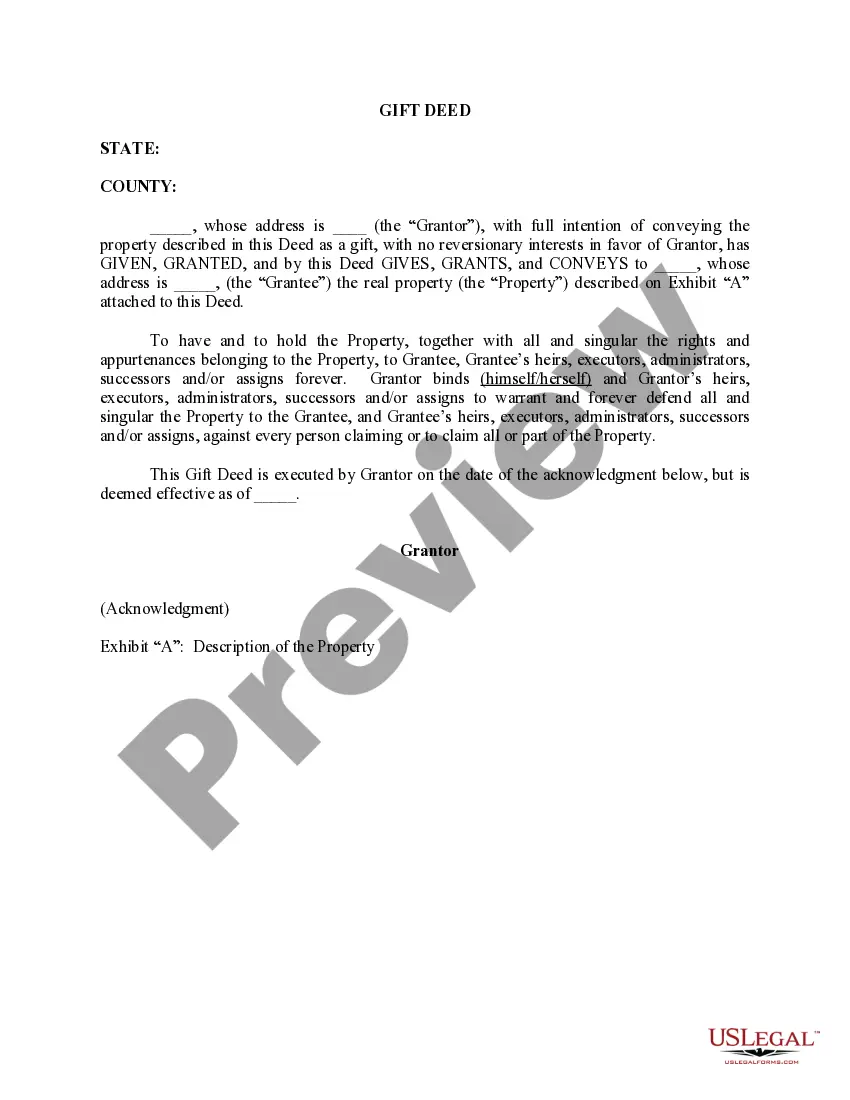
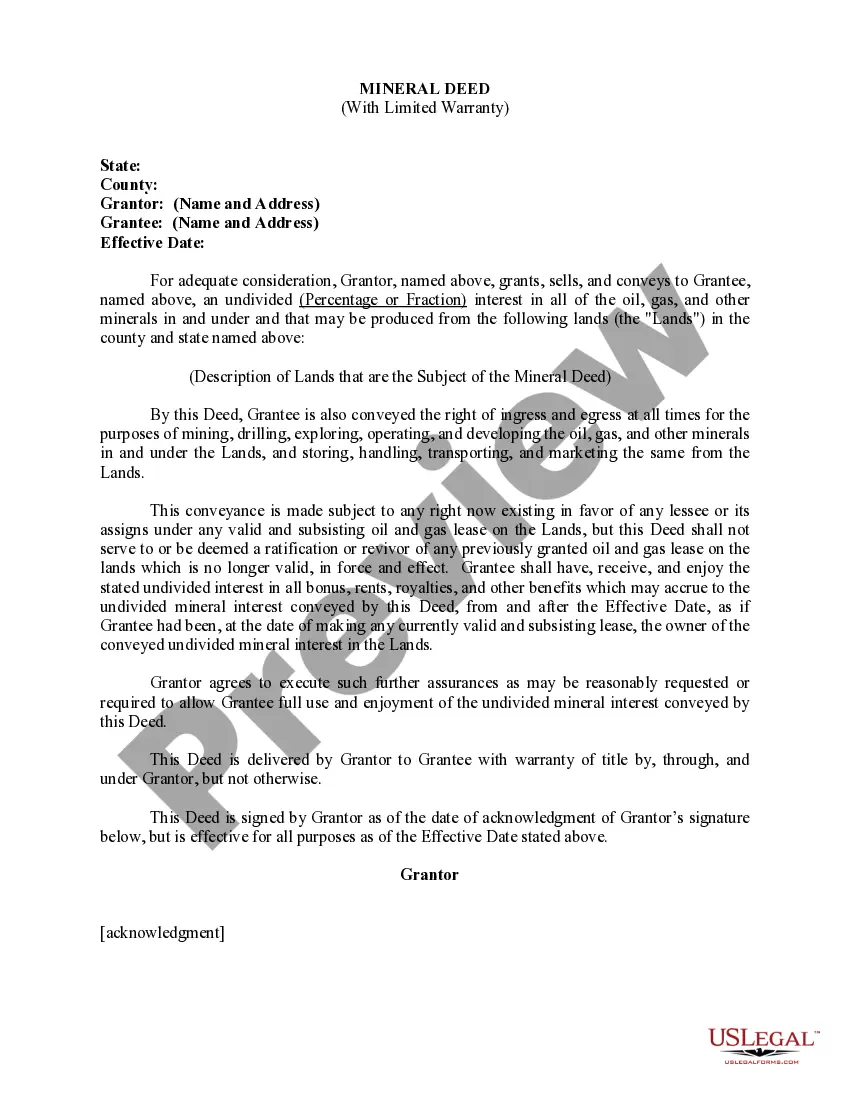
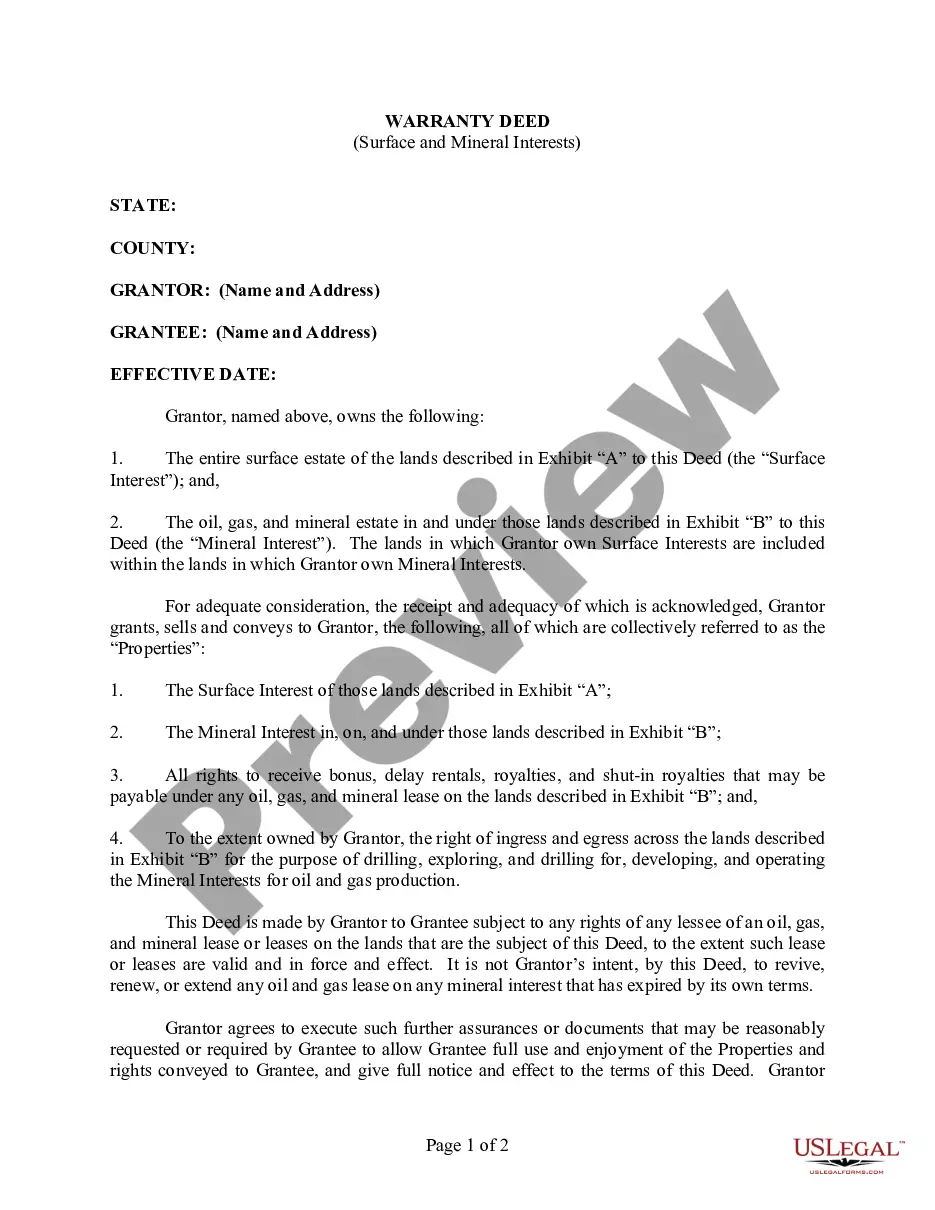
The Gift Deed of Mineral Interest with No Warranty is a legal document used to transfer ownership of mineral rights as a gift. This form differs from other property transfer documents by specifically addressing mineral interests, without any warranties regarding title. It is particularly useful in jurisdictions like Texas, where it helps establish separate property rights for the recipient (grantee) from community property assets.
Main sections of this form
- Grantor information: Name and address of the person gifting the mineral interest.
- Grantee information: Name and address of the person receiving the gift.
- Effective date: The date the gift is intended to take effect.
- Description of the mineral interest: A detailed account of the oil, gas, and minerals involved.
- Declaration of no warranty: A statement indicating that the transfer is made without any guarantees on the title.
When this form is needed
This form is appropriate when an individual wishes to generously transfer mineral interests as a gift to another person. It may be applicable in family situations, such as passing mineral rights to children or other relatives, without any expectation of financial compensation. It is especially useful for establishing clear ownership and separate property status in states that recognize community property laws.
Who should use this form
This form is ideal for:
- Individuals wishing to gift mineral interests to family members or friends.
- Property owners in states with community property laws, such as Texas.
- Anyone needing a clear legal document to transfer mineral rights without warranties.
Completing this form step by step
- Identify the parties: Enter the names and addresses of both the grantor and the grantee.
- Specify the effective date: Indicate when the transfer will take effect.
- Describe the property: Provide a detailed description of the mineral interest being gifted.
- Review the no warranty clause: Make sure you understand that the transfer is made without guarantees on title.
- Sign and date the deed: The grantor must sign the document and include the date of acknowledgment.
Notarization guidance
Notarization is required for this form to take effect. Our online notarization service, powered by Notarize, lets you verify and sign documents remotely through an encrypted video session, available 24/7.
Get your form ready online
Our built-in tools help you complete, sign, share, and store your documents in one place.
Make edits, fill in missing information, and update formatting in US Legal Forms—just like you would in MS Word.
Download a copy, print it, send it by email, or mail it via USPS—whatever works best for your next step.
Sign and collect signatures with our SignNow integration. Send to multiple recipients, set reminders, and more. Go Premium to unlock E-Sign.
If this form requires notarization, complete it online through a secure video call—no need to meet a notary in person or wait for an appointment.
We protect your documents and personal data by following strict security and privacy standards.

Make edits, fill in missing information, and update formatting in US Legal Forms—just like you would in MS Word.

Download a copy, print it, send it by email, or mail it via USPS—whatever works best for your next step.

Sign and collect signatures with our SignNow integration. Send to multiple recipients, set reminders, and more. Go Premium to unlock E-Sign.

If this form requires notarization, complete it online through a secure video call—no need to meet a notary in person or wait for an appointment.

We protect your documents and personal data by following strict security and privacy standards.
Typical mistakes to avoid
- Failing to provide accurate descriptions of the mineral interests being gifted.
- Not including the effective date, which may lead to confusion about the transfer.
- Overlooking the no warranty clause, which protects the grantor from future claims.
Why complete this form online
- Convenience of completing from anywhere at any time.
- Editable templates allow for custom modifications to fit specific needs.
- Access to professionally drafted legal forms ensures reliability and compliance with legal standards.
Legal use & context
- The deed is a legally recognized way to transfer mineral interests as a gift.
- Without warranties, the grantee accepts the mineral interest with acknowledgment of any potential title issues.
Summary of main points
- The Gift Deed of Mineral Interest is essential for transferring mineral rights as a gift.
- It includes specific provisions that limit the grantor's liability with respect to property title.
- Ensure all parties understand the nature of the transfer and the absence of warranties.
Looking for another form?
Form popularity
FAQ
In a Non-Warranty Deed, the seller gives no warranties.In a Non-Warranty or Quitclaim Deed, the seller merely is giving the buyer whatever rights, if any, that the seller has in the property and the seller makes no warranties of any nature about the seller's rights in the property.
A deed that names the seller/donor and the purchaser/donee. It states and describes the rights being sold or given. Filing of the notarized conveyance in the county government office which is generally the county clerk's office.
Date and Place where the deed is to be executed. Information about Donor and Donee like Name, Residential Address, Relationship among them, Date of Birth, etc. Details about the property. Two Witnesses. Signatures of Donor and Donee along with the witnesses.
Gift made by way of movable property is required to be made in stamp paper and stamped by the notary or court. Registration of gift deed is not required in case of transfer of moveable property.Gift of immovable property which is not registered is not a valid as per law and cannot pass any title to the donee.
Call the county where the minerals are located and ask how to transfer mineral ownership after death. They will probably advise you to submit a copy of the death certificate, probate documents (if any), and a copy of the will (or affidavit of heirship if there is no will).
Let's start with the definition of a deed: DEED: A written instrument by which one party, the Grantor, conveys the title of ownership in property to another party, the Grantee. A Warranty Deed contains promises, called covenants, that the Grantor makes to the Grantee.
Mineral rights in Texas are the rights to mineral deposits that exist under the surface of a parcel of property. This right normally belongs to the owner of the surface estate; however, in Texas those rights can be transferred through sale or lease to a second party.
Mineral rights are automatically included as a part of the land in a property conveyance, unless and until the ownership gets separated at some point by an owner/seller.Conveying (selling or otherwise transferring) the land but retaining the mineral rights.
If you want to sell the mineral rights to another person, you can transfer them by deed. You will need to create a mineral deed and have it recorded. You should check with the county Recorder of Deeds in the county where the land is located and ask if a printed mineral deed form is available to use.